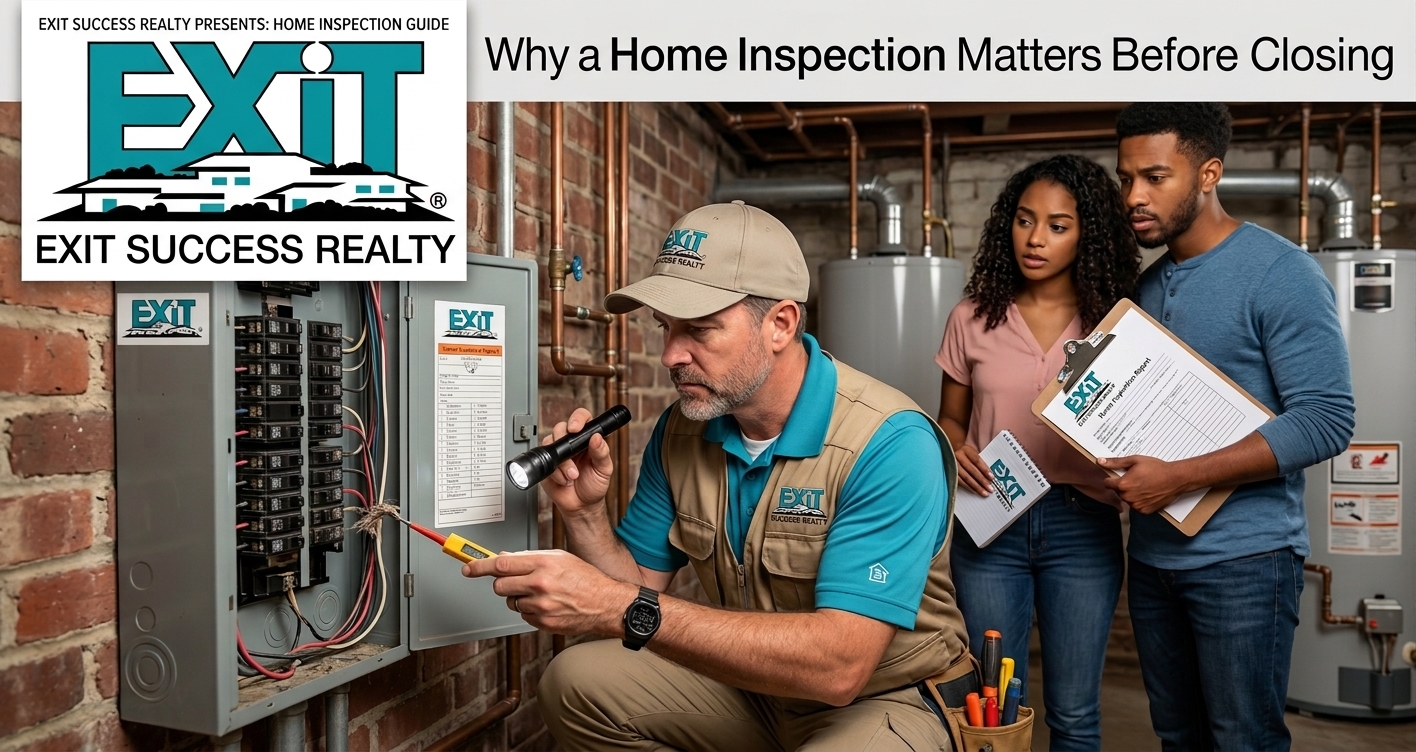
Why a Home Inspection Matters Before Closing
Why a Home Inspection Matters Before Closing
A home inspection typically costs $300 to $450, but it uncovers at least one issue in roughly 86% of homes — and buyers who use those findings to negotiate save an average of $14,000 off the sale price. Skipping it to make an offer more competitive can save you a few hundred dollars up front while leaving you exposed to repair costs, safety issues, or major defects that could cost tens of thousands once you're already the owner.
If you're buying a home in Martinsburg or anywhere across Berkeley County, it's tempting to see the inspection as just another step slowing down your closing — another fee, another delay, another thing that could complicate an offer you already worked hard to get accepted. In reality, it's one of the few chances you get to actually know what you're buying before you're legally and financially committed to it.
Here's what an inspection actually does for you, and why skipping it is a bigger gamble than most buyers realize.
What an Inspection Actually Finds
Inspection results aren't rare surprises — they're closer to the norm. The American Society of Home Inspectors reports that roughly 90% of homes have at least one significant defect, and separate industry research puts the number of inspections that turn up at least one issue needing attention at about 86%.
The most common problems inspectors find are roof issues, electrical problems, and window defects, followed closely by plumbing, HVAC age and function, foundation stability, and drainage or grading issues around the house. Some of what shows up is minor — a missing GFCI outlet, worn weatherstripping. Some of it is significant — an aging roof near the end of its life, outdated wiring, or foundation movement that's easy to miss without a trained eye.
That range matters. A long inspection report isn't a red flag on its own. It's a sign the inspector did their job. What matters is which category each item falls into, and what that means for your offer.
What This Means for Your Negotiating Position
Buyers who use inspection findings to negotiate save an average of $14,000 off the sale price. That number reflects a simple reality: an inspection report gives you documented, specific leverage that a gut feeling never can.
Once you have a report in hand, you generally have three options: ask the seller for a credit toward closing costs, ask the seller to complete specific repairs before closing, or walk away if the findings are serious enough and your contract allows it. All three depend entirely on having an inspection contingency in your contract in the first place — waive that contingency, and you lose the right to renegotiate or recover your earnest money based on what the inspection turns up.
Why Waiving the Inspection Is Riskier Than It Used to Be
During the most competitive years of the market, some buyers waived inspections entirely to make their offer stand out. That's become far less common. As of mid-2026, only about 17% of buyers waived their inspection contingency on a winning offer, down sharply from roughly 25% just a year earlier — a shift driven by more available inventory and less pressure to win a bidding war at any cost.
That trend matters if you're weighing whether to waive your own inspection right now. The competitive pressure that used to make waiving feel necessary has eased in a lot of markets, which means there's less reason to give up your due diligence just to get an offer accepted.
New Construction Isn't an Exception
A common misconception is that new construction doesn't need an inspection since everything is, in theory, brand new. In practice, even newly built homes can have construction errors or defects that aren't visible without a trained inspector — a significant share of inspections on new builds still turn up issues during the construction process itself. A builder's warranty offers some protection, but it doesn't replace an independent, third-party look at the actual work before you close.
What a Reasonable Post-Inspection Request Looks Like
Not every item on an inspection report is worth negotiating over. Sellers generally expect cosmetic issues — dated paint, worn carpet, minor surface wear — to stay off the table unless they weren't reflected in the purchase price to begin with. The findings that carry real weight are structural and mechanical: roof condition, foundation stability, HVAC function, and plumbing system condition, since those carry the largest deferred cost if left unaddressed.
A short, specific list of documented issues is almost always more effective in negotiation than a long list that mixes major defects with minor complaints. Bundling cosmetic requests in with legitimate structural findings tends to weaken the whole request rather than strengthen it.
Why This Matters in Berkeley County
Buyers moving into Martinsburg, Inwood, Falling Waters, and Hedgesville are often comparing homes here against what they saw in Northern Virginia or Maryland, where housing stock and pricing look different. Whatever the age or style of the home you're considering, an inspection gives you the same thing every buyer needs regardless of market: an accurate picture of what you're actually buying, not just what the listing photos show.
Frequently Asked Questions
How much does a home inspection cost?
Home inspections typically run $300 to $450 nationally, depending on the home's size and location, and take about 2 to 4 hours to complete, with the full report usually delivered within 48 hours.
What percentage of home inspections find problems?
Roughly 86% of inspections uncover at least one issue that needs attention, and the American Society of Home Inspectors reports that around 90% of homes have at least one significant defect.
What are the most common issues found during a home inspection?
Roof problems, electrical issues, and window defects are the most frequently cited findings, followed by plumbing, HVAC condition, foundation stability, and drainage or grading problems around the home.
Should I waive my home inspection to make my offer more competitive?
It's riskier than it might seem, and fewer buyers are doing it. As of mid-2026, only about 17% of buyers waived their inspection contingency, down from roughly 25% a year earlier, as more inventory has reduced the pressure to skip due diligence just to win a bid.
Do new construction homes need a home inspection?
Yes. Even newly built homes can have construction defects or errors that aren't visible without a trained inspector, and a meaningful share of new-construction inspections still turn up issues during the build process.
If you're getting ready to make an offer in Martinsburg or anywhere across the Eastern Panhandle and want guidance on how to use your inspection results to your advantage, the team at EXIT Success Realty is here to help.Reach out to EXIT Success Realty before you waive anything you might need later.
