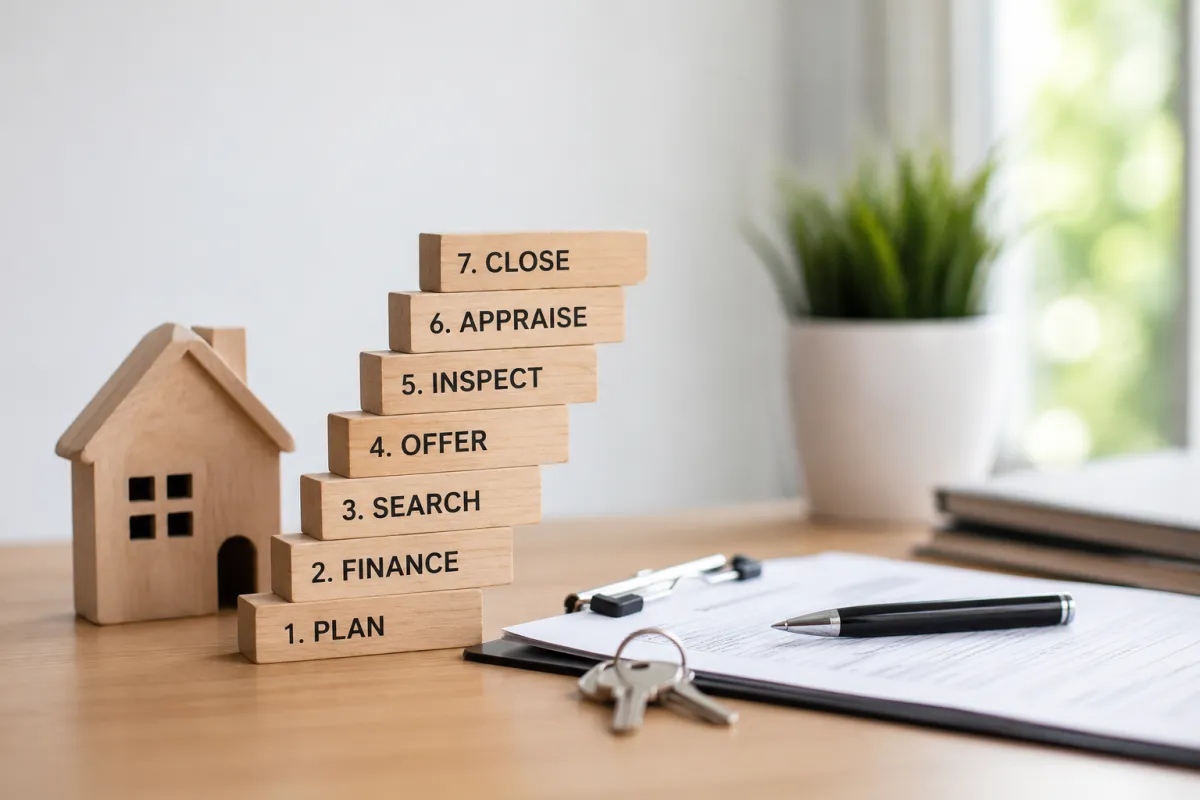
Steps in the Home Buying Process: What to Expect From Start to Closing
Buying a home is exciting, but it can also feel overwhelming when you’re not sure what happens next. Between financing, inspections, paperwork, negotiations, and closing deadlines, there are a lot of moving parts. That’s why understanding the steps in the home buying process before you start can make the experience much smoother.
At EXIT Success Realty, many buyers across West Virginia, Maryland, Virginia, and Pennsylvania ask the same questions when they begin their search. How much should you get approved for? When do inspections happen? What does your REALTOR® actually help with? And how long does the process really take?
This guide breaks the process down in a simple, realistic way so you know what to expect before you start touring homes. The information is based on the EXIT Success Realty buyer pamphlet outlining the major stages buyers typically move through during a transaction.
Start by Deciding Where You Want to Live
Before looking at homes online, it helps to narrow down the type of area that fits your lifestyle. Some buyers prioritize short commutes, while others want larger yards, walkable neighborhoods, newer homes, or access to certain school districts.
If you’re buying in the Eastern Panhandle of West Virginia, for example, your experience may differ depending on whether you’re considering Martinsburg, Spring Mills, Hedgesville, or Berkeley Springs. Buyers commuting to Northern Virginia often focus on areas with easier Route 9 or I-81 access, while others may prefer quieter neighborhoods with more land and privacy.
Researching neighborhoods ahead of time helps you avoid wasting time touring homes that don’t truly fit your needs. This part of the process matters just as much as the house itself.
Many buyers start with online searches, local market reports, school information, and commute times. A local REALTOR® can also explain differences between neighborhoods that aren’t obvious from listing photos alone.
Choose a REALTOR® Early in the Process
One of the most important steps in the home buying process is selecting a REALTOR® who knows the local market and can guide you through negotiations, contracts, inspections, and timelines.
A good REALTOR® does more than unlock doors for showings. They help you understand pricing trends, identify potential concerns with properties, explain contract terms, and negotiate on your behalf.
At EXIT Success Realty, agents often begin with an initial consultation to discuss your goals, budget, timeline, and preferred locations. This early conversation helps create a clearer strategy before you start seriously shopping.
And honestly, this can save you from making expensive mistakes later.
Get Pre-Approved Before Touring Homes
Financing should happen early, not after you find the perfect home.
A mortgage pre-approval gives you a realistic understanding of your price range and shows sellers you’re serious. In competitive markets, sellers may prioritize buyers who already have financing lined up.
Many first-time buyers assume all mortgage programs are basically the same, but they aren’t. Loan options, down payment requirements, interest rates, and closing costs can vary significantly between lenders.
Your REALTOR® may recommend trusted local lenders who are familiar with the market and can help you compare options.
Depending on your situation, you may qualify for:
Conventional loans
FHA loans
VA loans
USDA rural development loans
First-time buyer assistance programs
You should also avoid major financial changes during this stage. Large purchases, new credit cards, or changing jobs can affect your loan approval.
Tour Homes and Compare Properties Carefully
Once pre-approved, you can start viewing homes that fit your budget and criteria.
This stage is exciting, but it’s important to stay practical. Buyers sometimes focus heavily on cosmetic details while overlooking larger issues like roof condition, foundation concerns, outdated electrical systems, or poor layouts.
When comparing homes, think about:
Overall condition
Future maintenance costs
Neighborhood value trends
Property taxes
Commute times
Resale potential
HOA fees, if applicable
At EXIT Success Realty, agents often help buyers compare homes side-by-side instead of rushing into emotional decisions.
And sometimes the “perfect” house online feels completely different in person.
Submitting an Offer and Negotiating Terms
Once you find the right property, your REALTOR® will help prepare and submit an offer to the seller.
This includes more than just the purchase price. Your offer may also include:
Financing contingencies
Inspection contingencies
Requested closing dates
Seller concessions
Earnest money deposits
Included appliances or fixtures
The seller may accept, reject, or counter your offer.
Negotiation is one of the biggest reasons buyers work with experienced REALTORS®. In some situations, it’s not simply about offering the highest price. Terms, timelines, financing strength, and inspection flexibility can all influence whether your offer gets accepted.
According to the EXIT Success Realty buyer guide, your REALTOR® also helps package the offer in a way that presents you as a strong prospect to the seller.
Once Your Offer Is Accepted
After the seller accepts your offer, the transaction moves into the contract phase. This is where the process becomes more detail-heavy.
You’ll officially submit your loan application if you haven’t already completed it. Then several important steps happen within a relatively short timeframe.
Home Inspections
Inspections are designed to identify issues with the property before closing. Depending on the home and location, buyers may order:
General home inspections
Termite inspections
Water testing
Septic inspections
Sewer scope inspections
Electrical evaluations
Radon testing
The EXIT Success Realty pamphlet specifically mentions inspections related to property condition, termites, water, sewer, electrical, wind, and mitigation concerns.
If issues are discovered, buyers may negotiate repairs, request credits, or in some cases reconsider the purchase altogether.
This is also where buyers should consult qualified inspectors, contractors, attorneys, or financial professionals when specialized expertise is needed.
Insurance and Title Work
During the contract period, you’ll also obtain a homeowner’s insurance estimate and complete title work.
Title companies help confirm legal ownership of the property and ensure there are no unresolved liens or ownership disputes attached to the home.
Meanwhile, your lender will require proof of homeowner’s insurance before closing can occur.
These steps usually happen behind the scenes, but they’re critical parts of the transaction.
Reviewing the Closing Disclosure
Shortly before closing, your lender will provide a Closing Disclosure outlining your final loan terms, monthly payment, interest rate, and closing costs.
Review this carefully with your REALTOR® and lender.
You want to confirm:
Loan terms are accurate
Closing costs match expectations
Seller credits are applied correctly
Property taxes and insurance estimates are accurate
This is the time to ask questions, not after signing paperwork.
Final Walk-Through Before Closing
Usually within 24 hours of closing, buyers complete a final walk-through of the property.
This step allows you to verify:
Agreed-upon repairs were completed
The home is in expected condition
Appliances and fixtures remain in place
No major damage occurred before settlement
EXIT Success Realty’s guide recommends creating a list of anything needing attention during the walk-through.
While final walk-throughs are typically straightforward, they’re still important. Problems are easier to address before documents are signed.
Closing Day and Moving In
Closing day is when ownership officially transfers to you.
You’ll sign loan documents, pay remaining closing costs, and receive the keys to your new home. Utilities should also be transferred into your name before move-in day.
For many buyers, this is the moment when months of planning finally become real.
And while closing can feel paperwork-heavy, having experienced professionals guiding you through the process makes a major difference.
Why Working With a Local REALTOR® Matters
Every market operates differently. Contract timelines, inspection practices, inventory levels, and negotiation strategies can vary between regions.
That’s why working with a local real estate professional matters, especially in competitive or fast-changing markets.
At EXIT Success Realty, agents help buyers throughout West Virginia, Maryland, Virginia, and Pennsylvania navigate each step of the process with local market knowledge and practical guidance.
Whether you’re buying your first home, relocating, downsizing, or investing, understanding the process ahead of time can help reduce stress and improve decision-making.
Ready to Start the Home Buying Process?
Buying a home is a major financial decision, and preparation matters. From financing and inspections to negotiations and closing paperwork, every stage plays an important role.
If you’re thinking about buying a home in Martinsburg, Spring Mills, Hedgesville, Berkeley Springs, Hagerstown, or surrounding areas, the team at EXIT Success Realty can help guide you through the process from start to finish.
Reach out to schedule a buyer consultation, ask questions about financing options, or start exploring homes that fit your goals and budget.
